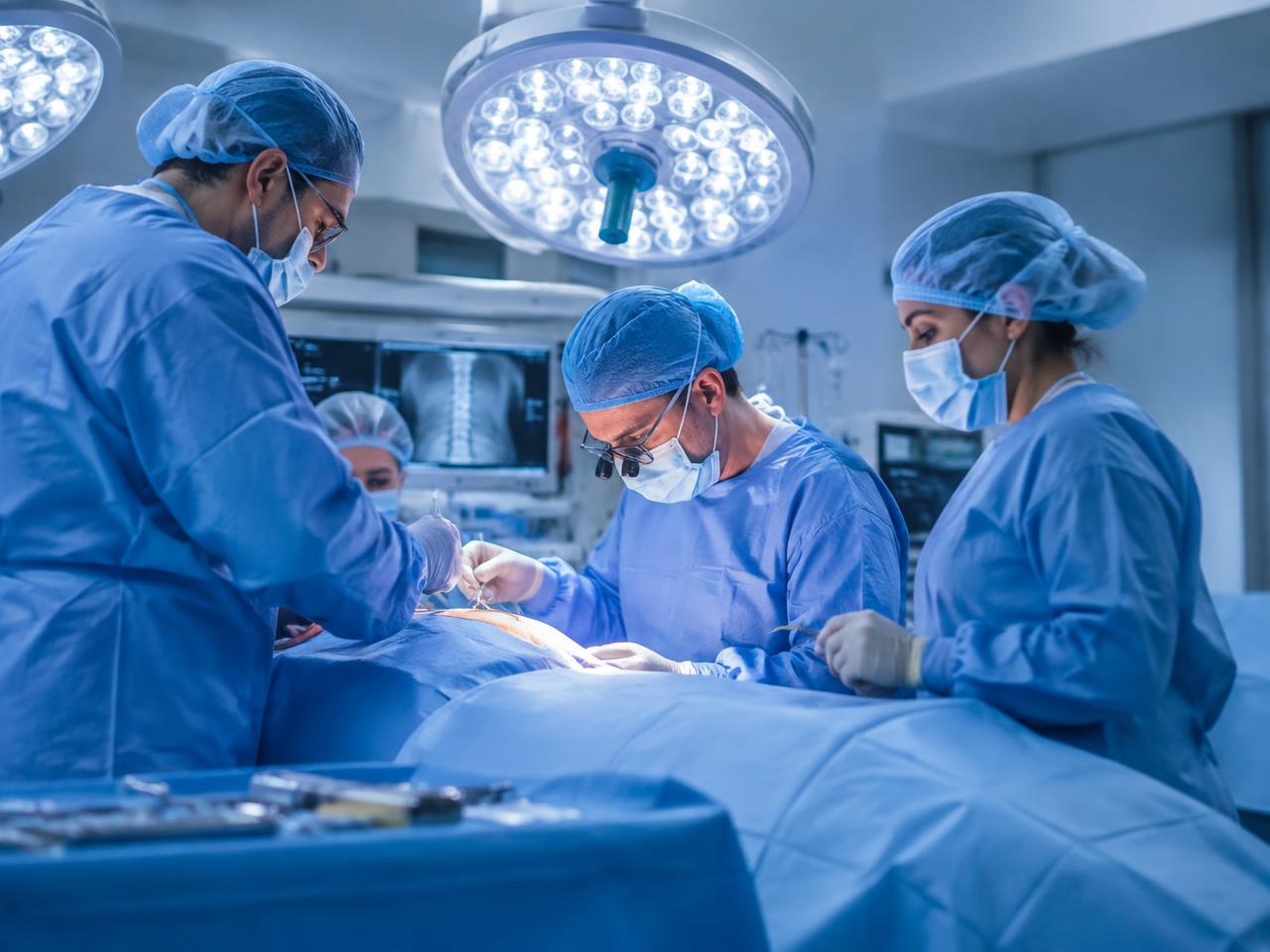
Surgical specialties
Monitoring Across Surgical Disciplines.
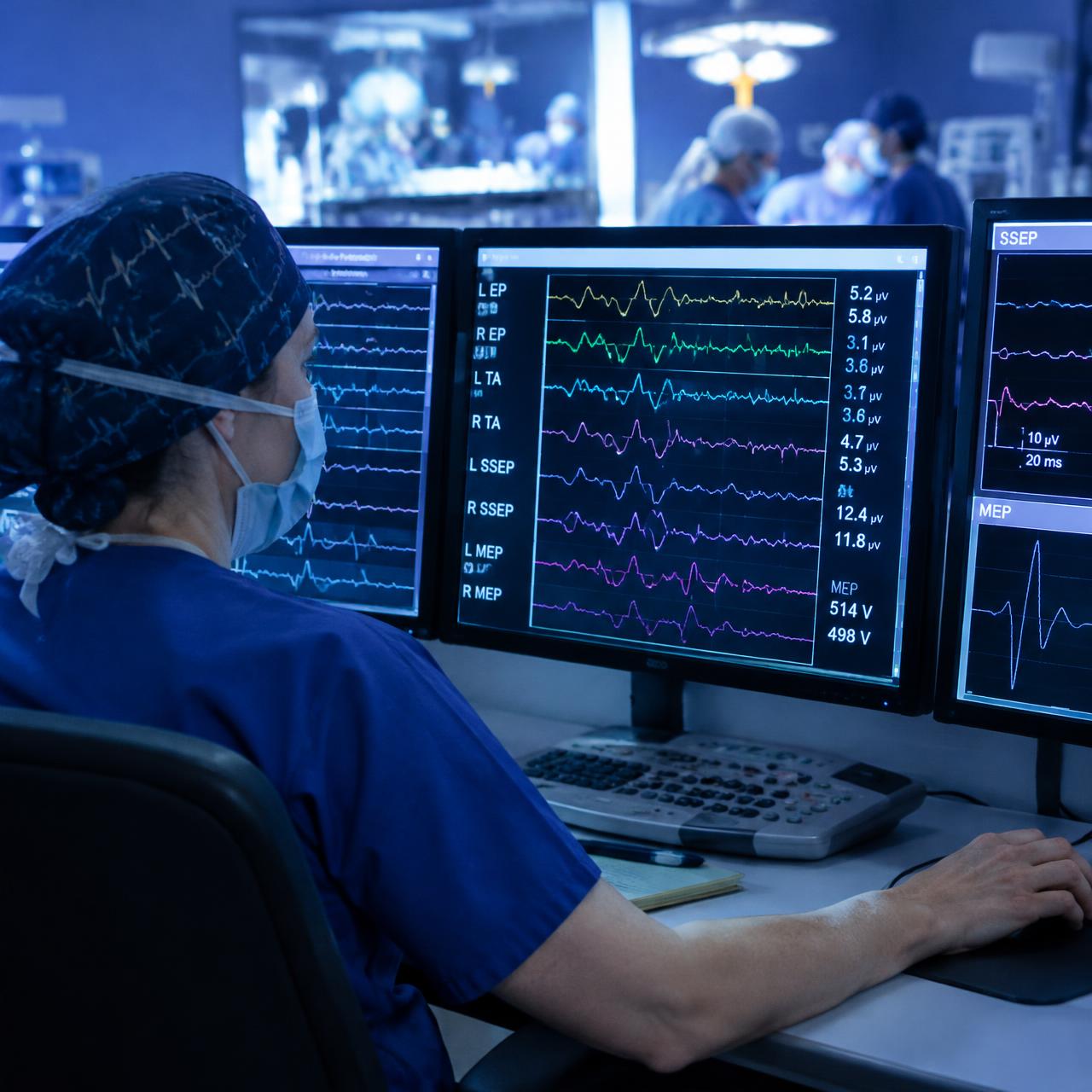
Educational examples of how IONM may support different types of procedures.
The use of specific monitoring modalities depends on the procedure, patient factors, the surgical team's judgment, and the capabilities of the monitoring provider. Mountain West Neuro coverage pending confirmation
01
Spine Surgery
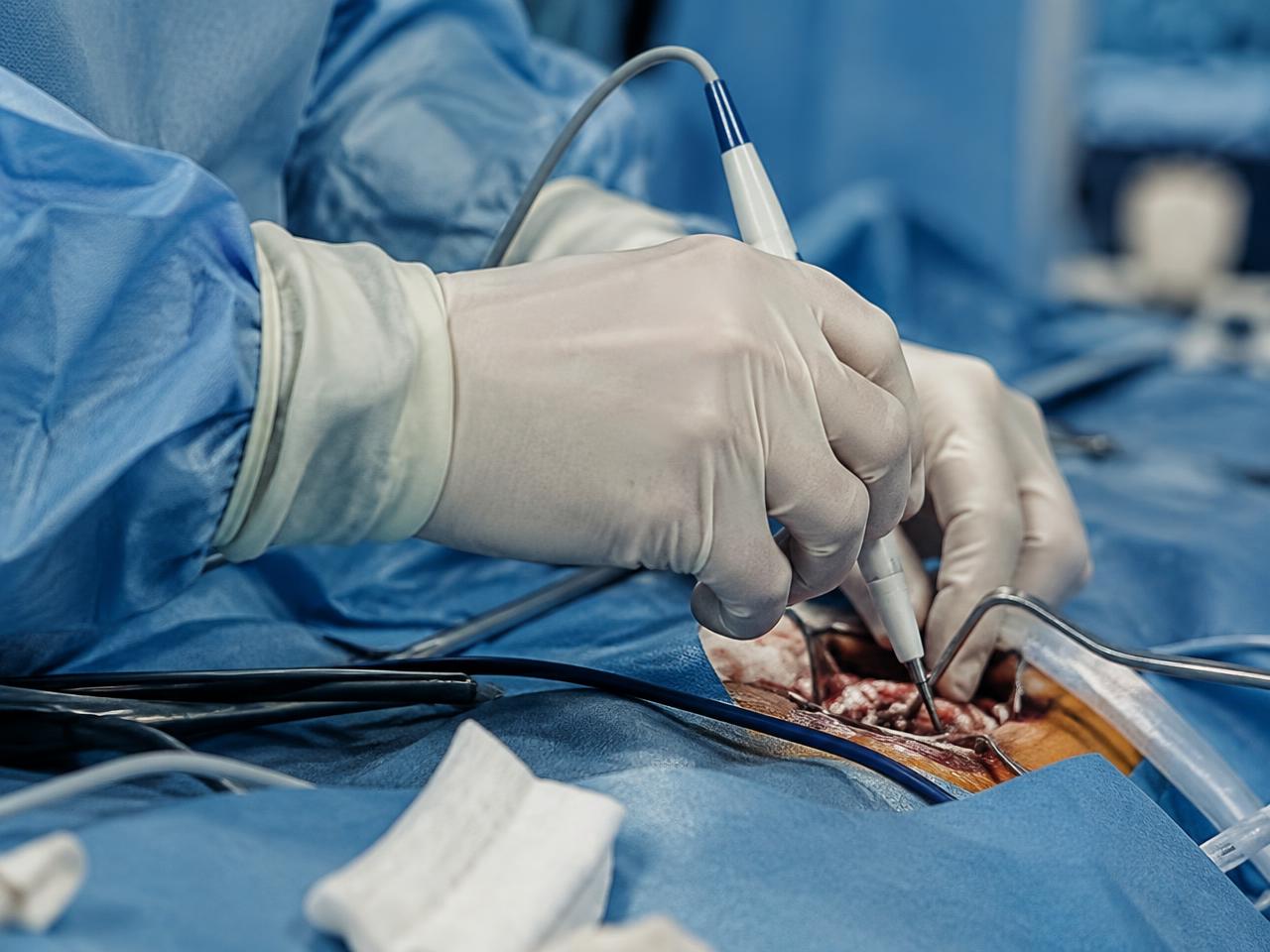
In spinal procedures, monitoring may help assess spinal cord and nerve root function during deformity correction, decompression, and instrumentation.
Commonly discussed: SSEP, MEP, free-run and triggered EMG
02
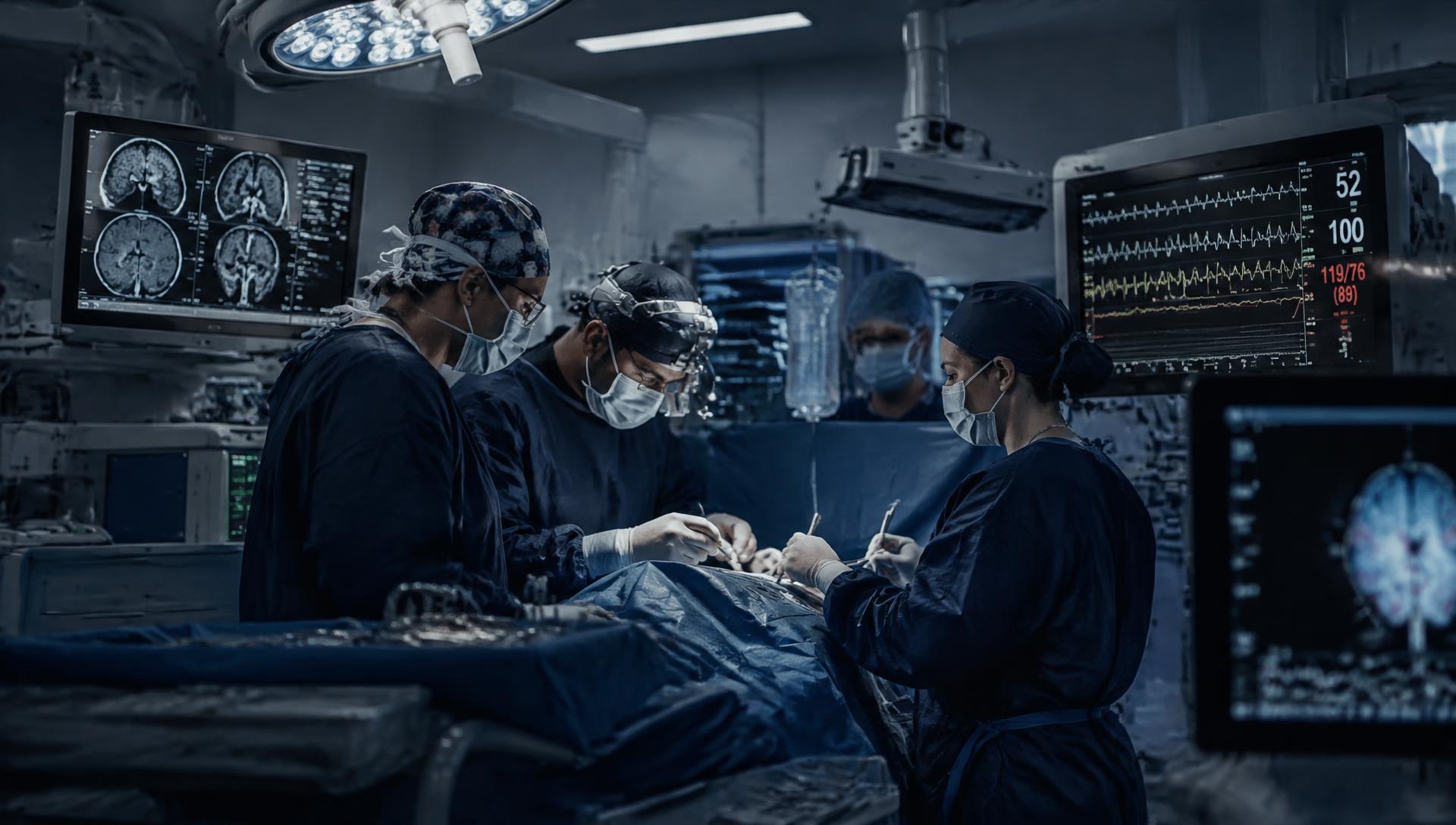
Neurosurgery
During cranial procedures, monitoring may help the team track motor, sensory, auditory, and cranial nerve function near critical structures.
Commonly discussed: MEP, SSEP, EEG, BAEP, cranial nerve EMG
03
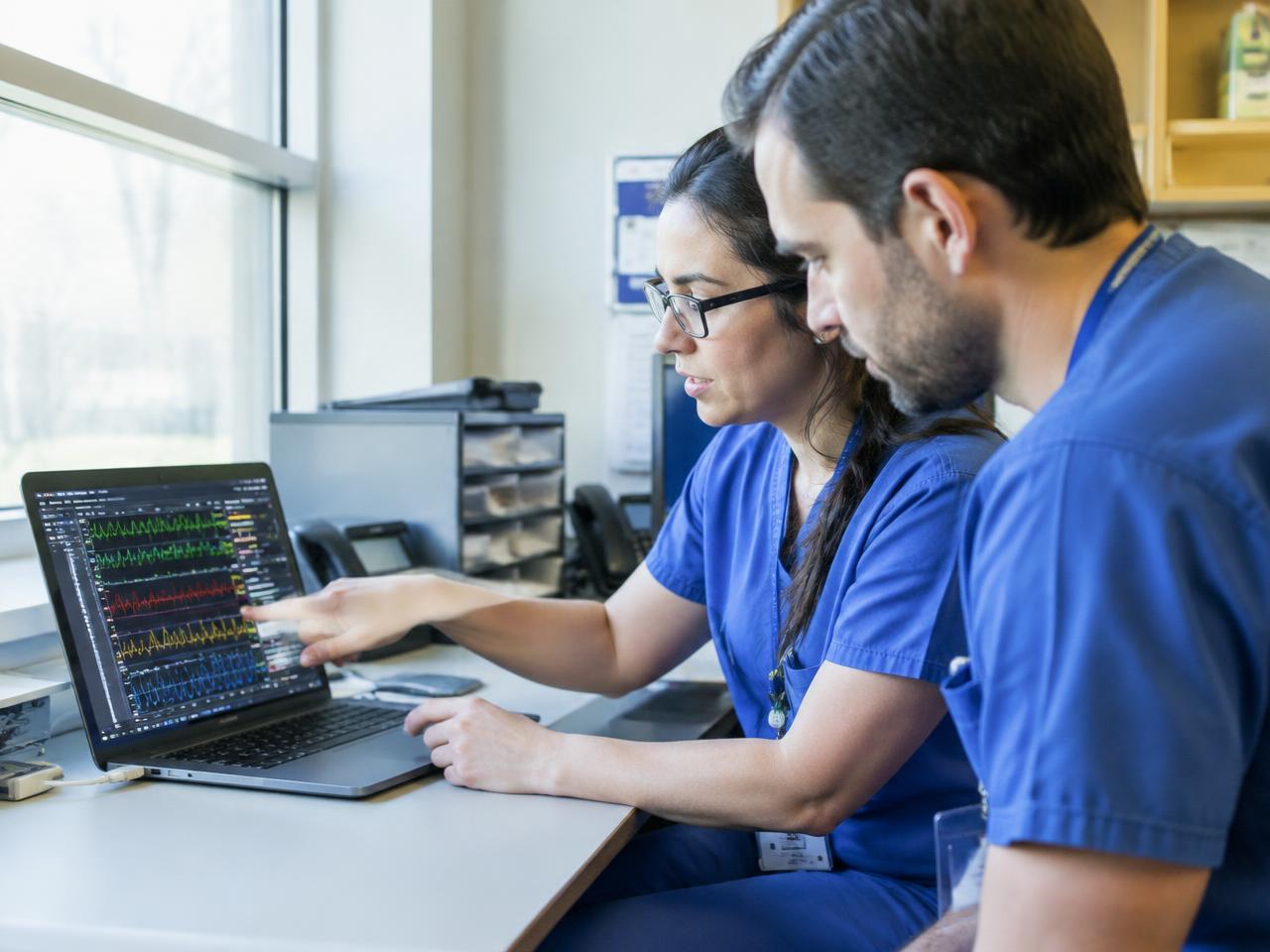
Orthopedic Surgery
Some orthopedic procedures, such as complex hip or shoulder reconstruction, place peripheral nerves at risk from positioning or traction.
Commonly discussed: SSEP, EMG
04
Vascular Surgery
In procedures affecting blood flow to the brain or spinal cord, monitoring may help identify changes associated with reduced perfusion.
Commonly discussed: EEG, SSEP, MEP
05
ENT and Head & Neck Surgery
Head and neck procedures often take place near cranial nerves, such as the facial and recurrent laryngeal nerves, where nerve identification is valuable.
Commonly discussed: cranial nerve EMG
06
Peripheral Nerve Surgery
Nerve action potentials and EMG may help surgeons evaluate nerve continuity and function during peripheral nerve exploration or repair.
Commonly discussed: NAP, EMG, SSEP
Let's Build a Stronger Surgical Partnership.
Connect with Mountain West Neuro to discuss your surgical program's neuromonitoring needs.